

“Tow truck” isn’t one thing. Flatbed, wheel-lift, and old-fashioned hook-and-chain equipment each move a vehicle in a completely different way. The wrong match creates problems that have nothing to do with why you needed a tow in the first place. An AWD drivetrain built to keep all four wheels moving together can end up strained by a method that leaves two wheels rolling. Even a vehicle in perfectly good shape can pick up damage from equipment that wasn’t the right choice for it.
This guide breaks down flatbed vs hook towing in Calgary: how each method works, which vehicles benefit from which one, and when flatbed is genuinely the better choice rather than just the safer-sounding default.
Is Flatbed Towing Safer Than Hook Towing?
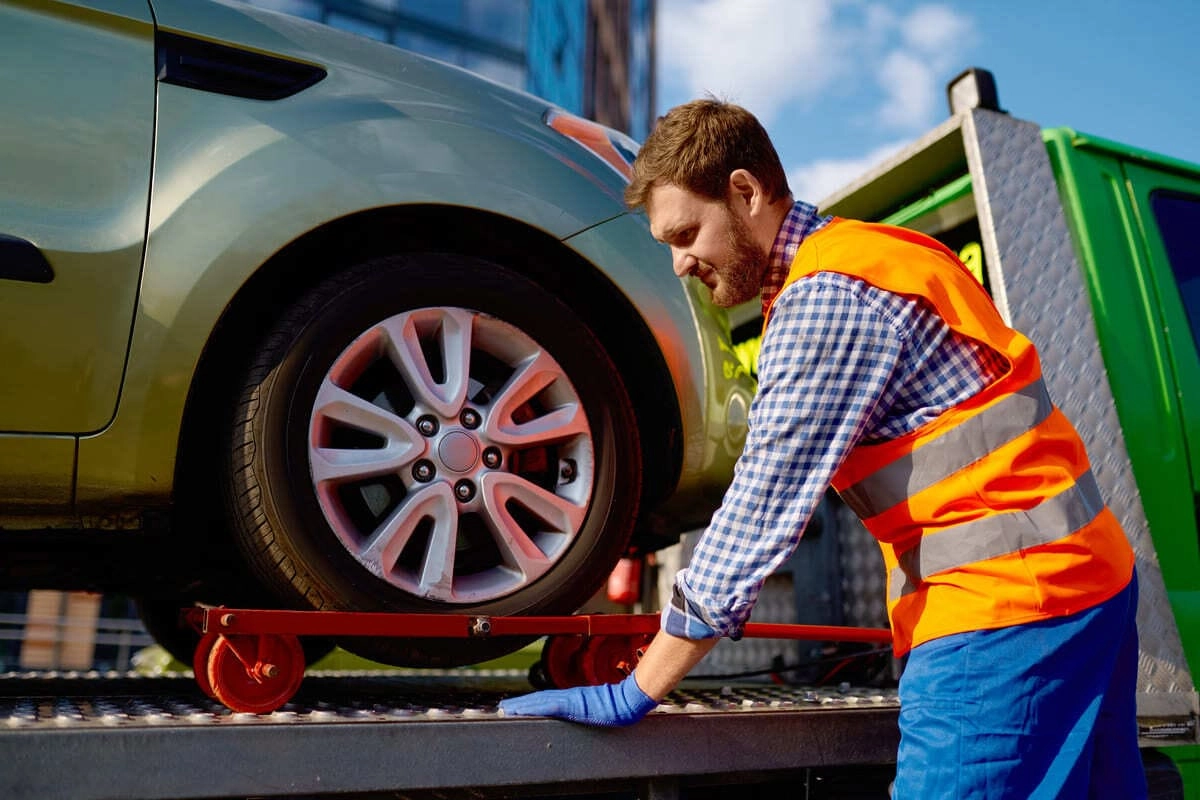
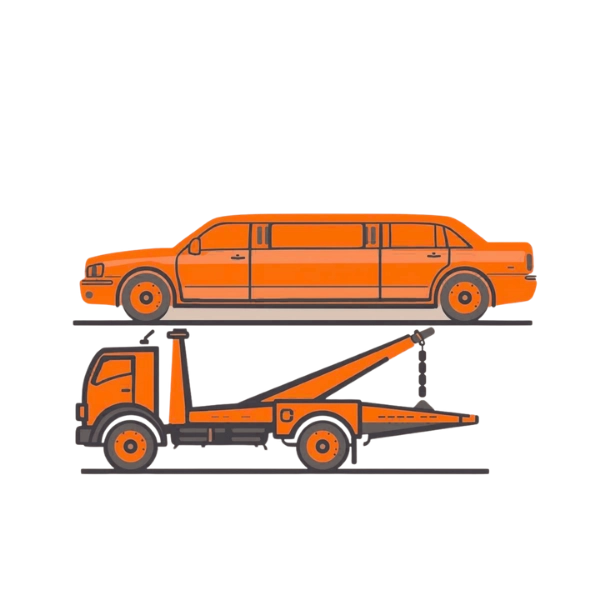
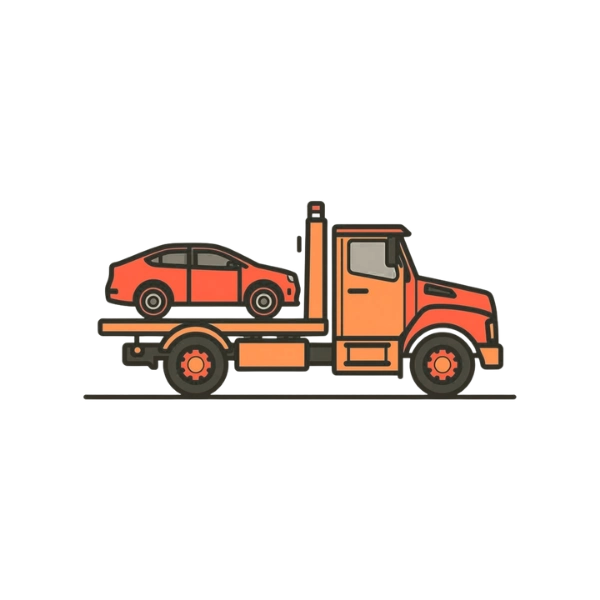
Often, yes, but not in every case. Flatbed towing offers the broadest compatibility because the vehicle’s entire weight rests on a platform with all four wheels off the ground, which sidesteps most of the drivetrain and road-contact risks other methods carry. That said, a wheel-lift tow, correctly matched to the right vehicle, can be a perfectly reasonable choice too. The real answer depends on your specific vehicle, its condition, and the equipment actually being used, not just which name sounds more reassuring.
Hook-and-Chain vs. Wheel-Lift: Not the Same Thing
People often use “hook towing” as a catch-all term, but it can mean two very different pieces of equipment. Hook-and-chain towing is the older method: chains or a hook attach directly to the vehicle’s frame or axle, and one end gets dragged along with two wheels still on the road. It’s hard on paint, bumpers, and frames, which is why most towing companies now reserve it for wrecked, scrapped, or otherwise disposable vehicles rather than routine towing.
Wheel-lift towing is the modern replacement for that older method, not the same thing wearing a different name. Instead of chains on the frame, a metal yoke cradles the tires themselves and lifts that end of the vehicle, while the other two wheels still roll along the ground. It’s a real improvement over hook-and-chain, since nothing touches the body or frame directly, though it still leaves two wheels rolling, which matters more for some drivetrains than others. When this guide compares “hook towing” against flatbed, it’s this modern wheel-lift equipment being discussed, not a return to hook-and-chain.

What Makes One Towing Method Safer for a Vehicle?
A handful of concrete factors determine which method suits your vehicle, more than any general reputation one method has over another. None of these factors work in isolation. A vehicle can check one box and not another, which is exactly why the right method comes down to the specific vehicle in front of the tow operator, not a blanket rule.
| Factor | Why It Matters |
|---|---|
| Wheels on the road | Flatbed keeps all four off the ground; wheel-lift leaves two rolling, which matters more for some drivetrains than others |
| Drivetrain | AWD and 4WD systems can be more sensitive to two wheels rolling while towed; front- or rear-wheel-drive vehicles are generally more tolerant |
| Ground clearance | A low bumper or splitter can scrape during loading if the equipment and angle aren't matched to the vehicle |
| Ability to roll and steer | A vehicle that can't roll, steer, or move normally usually needs equipment built around that limitation, not routine loading |
When Is Flatbed Towing the Better Choice?
A few vehicle types and situations consistently benefit from flatbed’s all-four-wheels-off-the-ground approach.
- AWD and 4WD vehicles. Keeping all four wheels stationary avoids the uneven driveline stress that can come from two wheels rolling while the other two don’t move at all. Full Pull’s flatbed towing service is set up specifically with these drivetrains in mind.
- Low-clearance vehicles. A flatbed’s loading angle and full-platform support reduce the scraping risk that a lift-based method can create on a low bumper or splitter.
- Luxury, exotic, and classic vehicles towing. Owners of high-value or specialty vehicles often want to minimize any unnecessary contact with the vehicle at all, which is where specialized luxury vehicle towing becomes worth asking for by name.
- Accident-damaged vehicles. A vehicle with a damaged wheel, a bent axle, or suspension damage may not be able to roll safely at all. Accident recovery towing is built around exactly this kind of situation.
- Electric vehicles. EV towing requirements vary by manufacturer and model, and some EVs specifically require all four wheels to stay off the ground rather than merely recommending it. Checking the manufacturer’s own towing guidance for your specific vehicle is worth doing rather than assuming one rule applies to every EV.
When Is Hook or Wheel-Lift Towing Appropriate?
Flatbed isn’t the only reasonable option, and treating wheel-lift towing as automatically unsafe overstates the case. A standard front-wheel-drive or rear-wheel-drive vehicle in good condition, being moved a short distance, off a busy street to a nearby shop, say, is often a perfectly reasonable candidate for a properly configured wheel-lift tow. It’s faster to hook up, more maneuverable in tight spaces, and sometimes less expensive than a flatbed.
Where it gets more situational is distance, drivetrain sensitivity, and manufacturer requirements. A longer tow, a drivetrain that’s more sensitive to two wheels rolling, or a vehicle whose manufacturer specifically calls for it to stay fully off the ground are all reasons another method may be the better call. None of this makes wheel-lift towing inferior on its own. It just means the equipment needs to match the vehicle and situation in front of it.
Does Calgary Weather Affect the Towing Method You Need?
Winter conditions add a layer to this decision without changing the fundamentals. Snow and ice can make a vehicle harder to position for loading, reduce traction during the loading process itself, and turn a routine tow into a slower, more careful operation regardless of which equipment is used. Roadside conditions matter too: a vehicle stopped in heavy traffic, poor visibility, or a difficult-access spot changes what’s practical for a tow operator to do safely, sometimes independent of the vehicle itself.
Vehicle condition still matters more than weather alone. A healthy vehicle in a safe location during a snowstorm is a different situation than a damaged vehicle blocking a lane on a clear day, and the equipment decision should follow the vehicle and circumstances, not the forecast.
Flatbed vs Hook Towing: Which Should You Choose?
Bringing the factors above together into one comparison makes the decision easier to apply to your specific situation. This table is a starting point, not a technical rule. Manufacturer requirements and the specific towing equipment available still take priority over any general comparison.
| Factor | Flatbed Towing | Hook / Wheel-Lift Towing |
|---|---|---|
| Wheels off the road | All four | Two, depending on configuration |
| AWD/4WD compatibility | Broad compatibility | Requires careful consideration |
| Low-clearance vehicles | Often advantageous | Depends on equipment |
| Accident-damaged vehicle | Often suitable | Depends on the damage |
| Standard disabled vehicle | Suitable | Can be suitable |
| Specialty or high-value vehicle | Often preferred | Vehicle-specific |
| Loading method | Entire vehicle loaded onto platform | Vehicle partially lifted |
What Should You Tell a Calgary Towing Company Before It Arrives?
A tow operator can select the right equipment faster, and more safely, with a few pieces of information up front.
- The vehicle’s make and model. This alone tells a lot about drivetrain and clearance before anyone arrives on scene.
- Whether it’s AWD, 4WD, or 2WD. If you know this, sharing it helps rule equipment in or out immediately.
- Its current condition. Whether it starts, rolls, and steers, whether any wheels are damaged, and whether there’s visible accident damage all change what equipment makes sense.
- Your location and access conditions. Whether the vehicle’s on a residential street, in a parking area, on a major roadway, or somewhere harder to reach affects what the operator needs to plan for before they leave.

Can a Towing Method Damage Your Vehicle?
Improperly matched equipment can, yes. Dragging an AWD vehicle with two wheels rolling using a method that wasn’t designed for it, or lifting a low-clearance vehicle at the wrong angle, are the kinds of mismatches that create real risk, not the towing method itself being inherently dangerous.
Manufacturer towing instructions exist for exactly this reason, and following them matters more than any general rule of thumb, especially for EVs and specialty vehicles with specific requirements. This is also why professional equipment selection matters: a towing operator who assesses the vehicle, its drivetrain, and its condition before choosing equipment is doing the part of the job that prevents most towing-related damage in the first place. Alberta’s own towing industry has a professional association built around exactly this kind of standard, promoting safety practices and training for operators across the province.
Frequently Asked Questions
Get the Right Towing Equipment for Your Vehicle
Choosing the right towing equipment comes down to your vehicle, its condition, and the situation you’re in right now, and a professional operator can make that assessment before anything gets hooked up or loaded.
If you have questions about which equipment your vehicle needs, or want to arrange a tow in advance, reach out through the contact us page. If you’re dealing with a breakdown right now, call (587) 315-5258 for immediate assistance. Full Pull’s flatbed towing service covers AWD, luxury, low-clearance, and accident-damaged vehicles specifically.
Final Thoughts
Flatbed towing offers the broadest protection because all four wheels are carried off the road during transport, which is why it’s the more conservative choice for AWD and 4WD vehicles, low-clearance cars, and anything accident-damaged. That doesn’t make other towing methods unsafe. A properly configured wheel-lift tow remains a reasonable option for plenty of standard vehicles and shorter moves. What matters most is matching the equipment to your specific vehicle and its condition, and telling the towing company enough about your situation that they can make that match correctly.
Refrences
- Tesla. Model S Owner’s Manual, Towing. tesla.com: https://www.tesla.com/ownersmanual/models/en_us/GUID-B2B9E17B-E1D5-4C48-9306-AC62A375038D.html
- Ford. How Do I Tow My Ford F-150 Lightning Truck? ford.com: https://www.ford.com/support/how-tos/electric-vehicles/f-150-lightning/how-do-i-tow-my-ford-f-150-lightning-truck/
- Towing & Recovery Association of Alberta. Who We Are. towingalberta.com: https://www.towingalberta.com